The Seven La Jolla Sea Caves
The La Jolla sea caves are seven openings cut by waves into a short stretch of sandstone cliff between La Jolla Cove and La Jolla Shores. Six of them are reached only from the water, by kayak, paddleboard or a swim, and one, Sunny Jim's Cave, has a man-made tunnel that lets you walk in from a gift shop on Coast Boulevard. This page names all seven, explains what each costs to see, and covers the kayak tours, the tunnel tickets, and the rules of the marine reserve the caves sit in.
Quick answer
There are seven La Jolla sea caves, set in roughly 75-million-year-old sandstone between La Jolla Cove and La Jolla Shores: Clam's Cave, Sunny Jim's Cave, Arch Cave, Sea Surprize, Shopping Cart, Little Sister and White Lady. Only Sunny Jim's Cave can be entered on foot, through a tunnel inside The Cave Store at 1325 Coast Boulevard, for $13 per adult. The other six are seen from the water, and the classic way in is a kayak and snorkel tour from La Jolla Shores that paddles the full cave line and enters one cave when the ocean allows.
Key takeaways
- Seven named caves: Clam's, Sunny Jim's, Arch, Sea Surprize, Shopping Cart, Little Sister, White Lady
- Sunny Jim's Cave tunnel entry: $13 adults, $7 ages 3 to 17, cash-style walk-up tickets at the door, no reservations, 9 AM to 4:30 PM
- Six of the seven caves are water-access only; guided kayak tours run 90 to 120 minutes from Avenida de la Playa and enter a cave only when conditions allow
- Clam's Cave under Goldfish Point is the only cave visible from land, a short walk from the spot where La Jolla Cove snorkeling starts
- The caves border a no-take marine reserve, so nothing may be collected; the same protected water hosts the leopard shark season at La Jolla Shores each summer
Tours That Reach the La Jolla Sea Caves
You cannot book the six water-access caves directly; you book a kayak or snorkel trip that runs along them. These are the options we compare, from a guided paddle that enters a cave to an all-day gear rental for exploring the cliff line at your own pace.
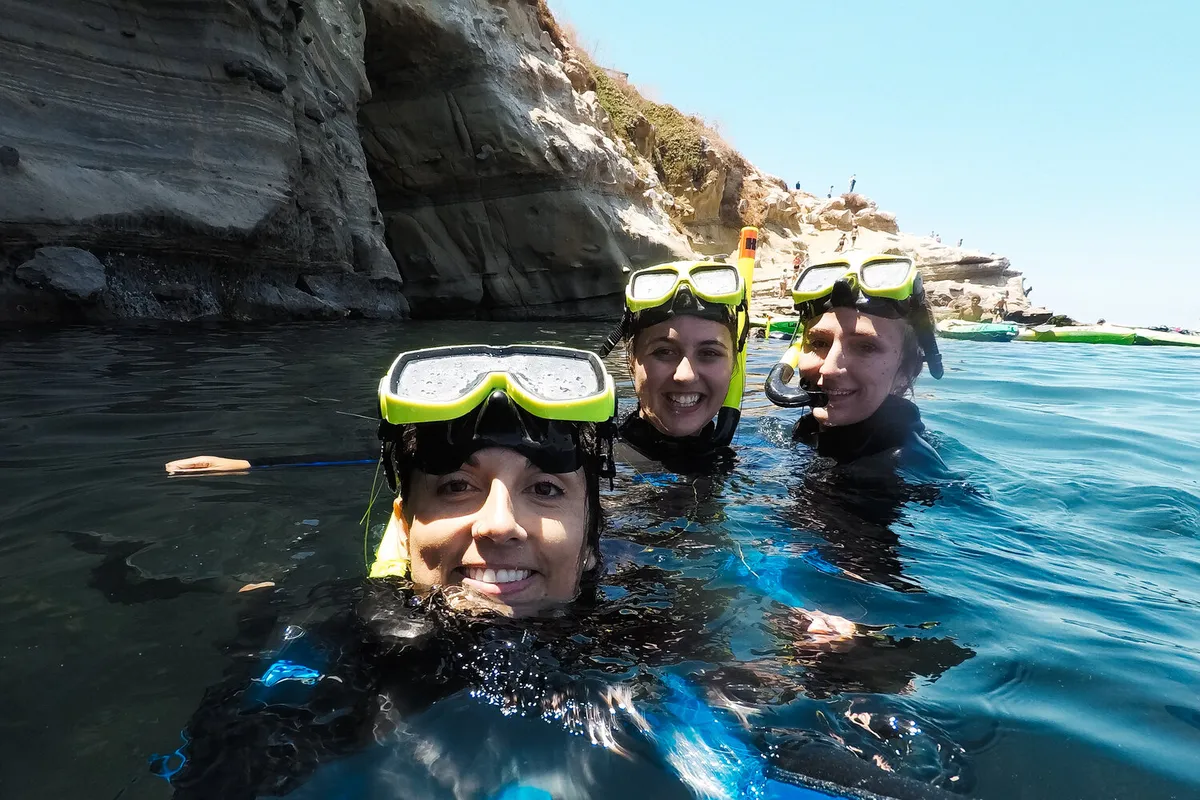
from $129
La Jolla Kayak & Snorkel Tour (2.5 Hours)
Paddle to the La Jolla sea caves, then snorkel the Ecological Reserve for leopard sharks, garibaldi and rays. Wetsuit and gear are included and yours to keep for…
- Kayak to the sea caves
- Snorkel the Ecological Reserve
- Leopard sharks & garibaldi
- Gear kept all day
 from $90
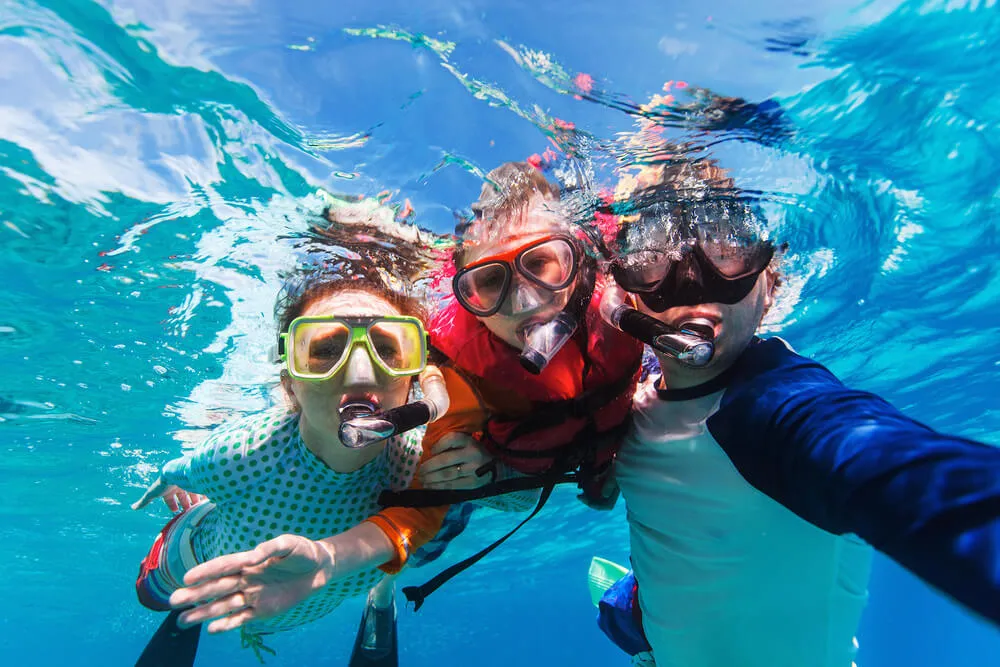
La Jolla Cove Guided Snorkeling Tour
A guided open-ocean snorkel from the beach at La Jolla Cove, swimming with sea lions, seals and colorful fish past the sea caves. Wetsuit and all gear included…
- Swim with sea lions & seals
- Sea caves & cliffs
- Garibaldi, rays & lobster
- Small group (max 8)
 from $30
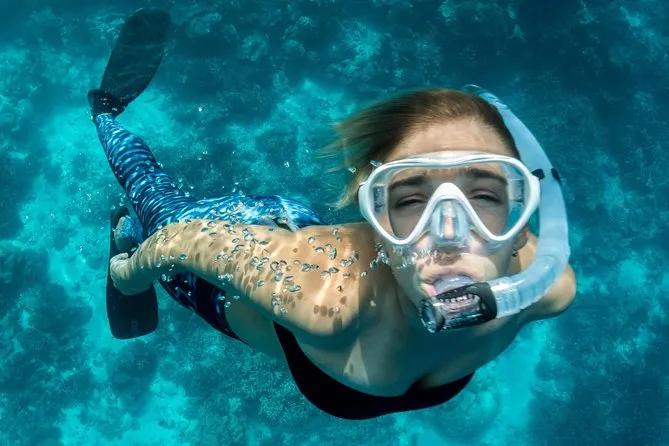
All-Day Snorkel Package with Wetsuit Rental
An all-day mask, snorkel, fins and wetsuit rental near La Jolla Cove, with free lockers. Snorkel the protected reserve at your own pace — the budget-friendly, self-guided option.
- All-day gear rental
- Wetsuit included
- Free lockers
- Self-guided & budget-friendly
What the La Jolla Sea Caves Are
75 Million Years of Sandstone, a Few Thousand Years of Waves
The cliffs holding the caves belong to the Point Loma Formation, sandstone laid down roughly 75 million years ago in the Cretaceous Period. The caves themselves are far younger. Waves found cracks in the rock and kept driving water into them until the cracks became rooms, a process geologists call littoral cave formation because it happens right at the shoreline.
Erosion never stops here, which is why cave interiors shift, arches form, and passages occasionally collapse. All seven openings sit in one narrow cliff wall on the north-facing side of the point, between La Jolla Cove and the start of La Jolla Shores beach.
Where the Caves Sit
The cave line runs below the Coast Walk Trail, the cliff-top path between The Cave Store and La Jolla Shores. From the trail you look down on kayaks working the cliffs, but you cannot see into the caves themselves from up there. The one exception for land viewing is Clam's Cave, which opens through Goldfish Point and is visible from the trail platform near The Cave Store.
Every cave sits on the edge of the San Diego-La Jolla Underwater Park, so the water in front of them is protected, patrolled and busy with sea life.
All Seven Sea Caves, Named
The Seven Caves at a Glance
Local operators and the La Jolla Historical Society use the same seven names, though spellings drift a little from source to source. Here is the full list with what makes each cave worth knowing.
| Cave | What It Is | How You See It |
|---|---|---|
| Clam's Cave | Multiple entrances under Goldfish Point, currents run straight through | Visible from land; kayaks enter in calm conditions |
| Sunny Jim's Cave | The famous one, with a 1902 tunnel from The Cave Store | Walk in, $13 adults |
| Arch Cave | Largest working cave for tours, two chambers joined by a natural arch | Kayak, several boats fit inside at once |
| Sea Surprize | Small mouth, orange mineral-stained walls inside | Water only, entry rarely offered |
| Shopping Cart | Currents collect lost gear inside, hence the name | Water only, viewed from outside |
| Little Sister | The smallest of the seven, easy to miss | Water only, guides point it out |
| White Lady | Named for a wave-foam shape tied to a local bride legend | Water only, viewed from outside |
Clam's Cave
Clam's Cave sits at the western end of the line, punched through the base of Goldfish Point. It has openings on more than one side, so ocean water moves through it constantly and keeps reshaping the interior. That through-flow makes it dramatic to paddle near, and guides take kayaks inside when swell allows.
If you never get on the water, this is your cave: stand on the viewpoint near The Cave Store and you can see its mouth from land, the only one of the seven for which that is true.
Arch Cave
Arch Cave, sometimes just called Arches, is the workhorse of the kayak tours because several boats fit inside at once. Two separate caves eroded toward each other until they joined, leaving a natural arch between the chambers, and the cave is open at both ends, so from the middle you can see daylight at the far opening. One operator describes the full system as 680 feet deep, the second deepest cave passage on the California coastline, while a first-person account from inside describes the visible passage as closer to 60 feet; the deeper corridors are narrow, actively eroding and off limits, which likely explains the gap between the two numbers.
Kayakers regularly find a sea lion hauled out on a ledge partway up the wall inside.
Sea Surprize, Shopping Cart, Little Sister and White Lady
The remaining four caves are smaller and mostly admired from the water outside their mouths. Sea Surprize looks modest at the entrance but reportedly opens into about 80 feet of passages with orange, mineral-stained walls and pools holding calcite-coated sea anemones. Shopping Cart earned its name from the debris its currents collect, everything from sandals to cameras, and sits near grounds that were once worked hard in the October to March lobster season, though traps are now banned inside the protected area.
Little Sister is the smallest of the seven and easy to miss without a guide pointing it out. White Lady carries the best story: local legend says a bride named Mrs. Hathaway was swept away by the tide here in the early 1800s, and the white foam churning in the cave mouth was said to resemble her wedding dress, which is how the cave got its name.
Sunny Jim's Cave and The Cave Store
The Only Sea Cave in California You Can Walk Into
Sunny Jim's Cave is the only sea cave in California with land access. In 1902, German artist and engineer Gustav Schultz hired two Chinese laborers to dig a tunnel from his clifftop home down through the sandstone into the back of the cave. The dig took nearly two years, and once it opened, around 200 visitors a day paid 50 cents to descend.
The cave's name came later from author L. Frank Baum, who wrote The Wonderful Wizard of Oz: he thought the cave mouth's profile looked like Sunny Jim, the mascot of a British wheat cereal. During Prohibition, smugglers reportedly moved whiskey and opium into San Diego through this same tunnel. Schultz's old house is now The Cave Store, a gift shop at 1325 Coast Boulevard that has run cave tours since 1905.
Tickets, Hours and the Stairs
Entry costs $13 per adult and $7 for ages 3 to 17. Tickets are sold at the door only, first come, first served, with no reservations and no advance purchase, and the store admits about 15 to 20 people into the cave at a time. Tours are self-guided and run 9 AM to 4:30 PM, taking roughly 15 to 20 minutes.
The stair count is disputed even at the source: The Cave Store's own pages say 145 stairs in one place and 144 in another, while a local kayak outfitter's history puts the original tunnel at 138 steps. Call it about 140 to 145 stairs each way, around five minutes of climbing at a gentle pace. The steps are dim and often slippery, so closed-toe shoes are strongly advised, and anyone under 18 needs an accompanying adult or signed parental permission.
At the bottom you reach a wooden viewing deck just inside the cave mouth, looking out at the ocean; you do not swim or continue deeper.
Is the Tunnel Worth $13?
For a 15-minute self-guided walk, $13 is steep per minute, but it buys something genuinely unusual: standing inside a sea cave in street clothes, with a century of smuggling lore under your feet. Families with kids who cannot manage a kayak, and anyone visiting on a day when surf has cancelled the water tours, get the most from it. If you are able to paddle, the kayak view of all seven mouths from the water is the stronger experience, and the two combine well in a single day since the store sits minutes from the Cove.
Seeing the Caves by Kayak
How the Kayak Tours Work
Cave kayak tours launch from La Jolla Shores beach, with check-in at the outfitter shops along Avenida de la Playa a block or two from the sand. You get a helmet and a personal flotation device, a 10 to 15 minute paddle lesson on the beach, then a guided paddle south along the cliffs to the cave line. Whole trips run 90 to 120 minutes.
Guides narrate the caves, the geology and the history, and when swell and tide cooperate they lead the group inside one cave, usually Arch or Clam's. The helmet is not decoration: surge inside a cave can push a kayak into the wall, which is exactly why entry is never guaranteed. The La Jolla kayak and snorkel tour we compare runs 2.5 hours at $129 per group of up to two, pairs the cave paddle with a snorkel in the reserve, and lets you keep the wetsuit and snorkel gear for the rest of the day.
Kayak, Snorkel or Walk: Which Way to See Them
Each access method shows you a different slice of the caves, and plenty of visitors combine two in one day.
| Way In | What You Get | Cost |
|---|---|---|
| Guided kayak tour | All 7 cave mouths from the water, entry into one when calm | $129 per group of up to 2, 2.5 hours, gear kept all day |
| Guided snorkel from the Cove | Swim the cliff line past cave mouths with sea lions | $90 per person, 1.5 hours, wetsuit included |
| Snorkel on your own | Cliff-line swim at your pace from La Jolla Cove | $30 all-day mask, fins and wetsuit rental |
| Sunny Jim's tunnel | Walk inside one cave, dry, 15 to 20 minutes | $13 adult, $7 youth at the door |
| Coast Walk Trail | Clifftop views over the cave line, Clam's Cave visible | Free |
Snorkeling the Cave Line
Strong swimmers snorkel from La Jolla Cove east along the cliffs toward the caves, passing rocky reef and kelp on the way. The guided cove snorkel takes this exact line in a group of eight or fewer, with a guide who knows where the sea lions rest and how close the surge zone is safe to approach. Swimming into the caves themselves is a different matter: surge amplifies inside a confined rock chamber, and free-swimming entry is something even guides treat with caution.
Treat the cave mouths as the destination and the sea lions, garibaldi and rays along the cliff as the show.
Best Time to Visit the Sea Caves
Time of Day
Mornings are the window. Kayak tours start departing around 9 AM, and the first departures of the day usually get the calmest water, the best chance of actually entering a cave, and the lightest wind. By early afternoon the onshore breeze picks up chop along the cliffs, and afternoon tours enter caves less often.
The Cave Store tunnel is quietest right at the 9 AM opening and busiest midday, when the walk-up line can stretch through the shop since there are no reservations to spread arrivals out.
Season
Tours run year-round, but late summer and early fall, roughly July through October, bring the warmest water and the most reliable calm mornings. Winter delivers bigger swell, which cancels cave entries more often, though the paddle along the cliffs still runs on most days and whale sightings from the kayaks become possible as gray whales migrate past. June can bring overcast mornings, the local marine layer, which burns off by midday more often than not.
If your goal is paddling inside a cave rather than just along the line, stack the odds with an early morning slot between July and October.
Rules, Safety and the Marine Reserve
You Are Paddling in a Protected Area
The water in front of the caves lies within a no-take marine reserve, the Matlahuayl State Marine Reserve, inside the larger underwater park. Nothing may be taken, living or not, which includes shells and rocks from cave floors, and disturbing the sea lions that haul out inside the caves is illegal as well as unwise. There is no entrance fee for the water itself; you pay only for tours, rentals or the Sunny Jim's tunnel.
Practical Safety
Wear the helmet and flotation device your outfitter issues, keep fingers off cave walls where surge can pinch a hand against rock, and give hauled-out sea lions several boat lengths of space, since a startled 300-pound animal entering the water lands wherever it wants. On the tunnel side, the 140-odd stairs are the whole workout: slick, narrow in spots, and the same count back up. Kids handle it fine at a careful pace.
Tandem kayaks carry riders from about age 5 with an adult, and outfitters list weight limits of about 450 pounds per tandem and 275 per single.
A Realistic Sea Cave Morning
How a Cave Day Usually Runs
Check in on Avenida de la Playa around 8:40 AM, fit helmets and vests, walk two blocks to the sand and push off through small surf just after 9. The paddle south to the cliffs takes about 20 minutes with pauses while the guide talks. You work along the cave line for the better part of an hour, nose into Arch Cave if the swell agrees, spot the sea lion on its ledge, then turn back with the wind behind you.
Landed by 11, you still have the wetsuit and snorkel gear, so after lunch you drive five minutes to the Cove, snorkel the cliff line, and finish the day with the $13 tunnel at The Cave Store while your hair dries. That triple, paddle, snorkel, tunnel, covers all seven caves in a single day for under $150 per person.
The Caves and the Rest of Protected La Jolla
What Surrounds the Cave Line
The caves are the northern rock wall of a much bigger protected system. Seaward of the cliffs, the San Diego-La Jolla Underwater Park spreads across 6,000 acres of reef, kelp forest, sand flats and submarine canyon, and the same calm, protected water that makes cave kayaking possible is what fills the reserve with garibaldi, rays and sea lions. A mile east at La Jolla Shores, the summer shallows in front of the Marine Room restaurant host the world's largest seasonal gathering of leopard sharks, an easy add-on for anyone already in a wetsuit.
If you are deciding between the three, caves suit paddlers, the shark shallows suit nervous swimmers since the water is waist deep, and the open reserve suits confident snorkelers.
La Jolla Sea Caves Map
The seven caves line the sandstone cliffs between La Jolla Cove and La Jolla Shores. Sunny Jim's entrance is on land at The Cave Store; kayak tours launch from the beach at Avenida de la Playa.
La Jolla Sea Caves: Frequently Asked Questions
What are the seven sea caves in La Jolla?
From west to east along the cliff: Clam's Cave, Sunny Jim's Cave, Arch Cave, Sea Surprize, Shopping Cart, Little Sister and White Lady. Sunny Jim's is the only one with land access, Clam's is the only one visible from shore, and Arch is the big one kayak tours paddle inside when conditions allow.
How much does it cost to go to the La Jolla sea cave?
Walking into Sunny Jim's Cave through The Cave Store costs $13 for adults and $7 for ages 3 to 17, tickets at the door only. Seeing the other six from the water costs whatever your trip costs: the kayak and snorkel cave tour runs $129 for a group of up to two, and a self-guided snorkel using an all-day gear rental is $30.
Can you go to the La Jolla sea caves without a tour?
Yes, three ways. Walk into Sunny Jim's Cave via the tunnel with no reservation needed. View Clam's Cave free from the Goldfish Point overlook on the Coast Walk Trail. Or rent a kayak or snorkel gear and travel the cave line yourself, though paddling inside a cave without a guide is a bad idea because surge inside the chambers can throw a boat into the wall.
Is the La Jolla cave tour worth it?
The kayak tour is the single best way to see the caves, since six of the seven only show themselves from the water and guides carry the history and the safety judgment. The Sunny Jim's tunnel is a shorter, cheaper novelty that suits kids and non-paddlers. Most visitors who do both agree the kayak was the highlight and the tunnel the curiosity.
Can you swim into the La Jolla sea caves?
Strong snorkelers swim along the cave mouths from La Jolla Cove, and the small-group guided snorkel covers that cliff line with sea lions for company. Actually swimming inside the caves is discouraged: waves compress and accelerate inside the rock chambers, and even kayak guides only enter on calm days with helmets on.
Are there sea lions in the La Jolla caves?
Yes. California sea lions haul out on ledges inside the caves, Arch Cave in particular, and on the rocks around the cave mouths. Tours routinely find one watching from a perch partway up a cave wall. Keep your distance; they are wild, protected, and loud about their personal space.
How old are the La Jolla sea caves?
The sandstone itself is about 75 million years old, part of the Point Loma Formation from the Cretaceous Period. The caves are much younger, carved over thousands of years as waves widened cracks in the cliff, and they are still changing today as erosion continues.
Do you need tickets for Sunny Jim's sea cave?
Yes, but only at the door. The Cave Store sells tickets first come, first served, with no reservations and no advance purchase, and lets 15 to 20 people into the cave at a time. Hours are 9 AM to 4:30 PM, and the visit is a self-guided 15 to 20 minutes down and up roughly 140 to 145 stairs.
Is there a hike to the La Jolla sea caves?
The Coast Walk Trail runs along the clifftop above the caves between The Cave Store and La Jolla Shores, an easy walk with views over the whole cave line and kayak traffic below. It does not descend to any cave. The only on-foot entry into a cave is the Sunny Jim's tunnel, and the only cave mouth you can see from the trail is Clam's Cave at Goldfish Point.
When is the best time to kayak the La Jolla sea caves?
Book the first morning departures, around 9 AM, between July and October. Mornings bring the calmest water and the best odds that your guide can lead the group inside a cave, and late summer adds the warmest water of the year. Winter paddles still run but bigger swell cancels cave entries more often.
Seven caves, one tunnel, and a cliff line you can cover by paddle, fins and stairs in a single day. Start on the water in the morning while it is calm, save the $13 tunnel for the afternoon, and you will have seen every one of the seven ways the ocean has been taking this cliff apart for the last few thousand years.